Do I Need a Personal Website?
Prefer to listen instead of watch? This episode is also on Spotify.
Most business owners think personal websites are vanity projects. Fajela hears this almost every week. And yes, sometimes they are. But their impact on your business and your life should not be underestimated.
Below is the honest case for having one, the honest case against, and answers to the most common objections. By the end, you will have a clear answer for your specific situation.
Why you should have a personal website
1. Your name has a presence online whether you control it or not
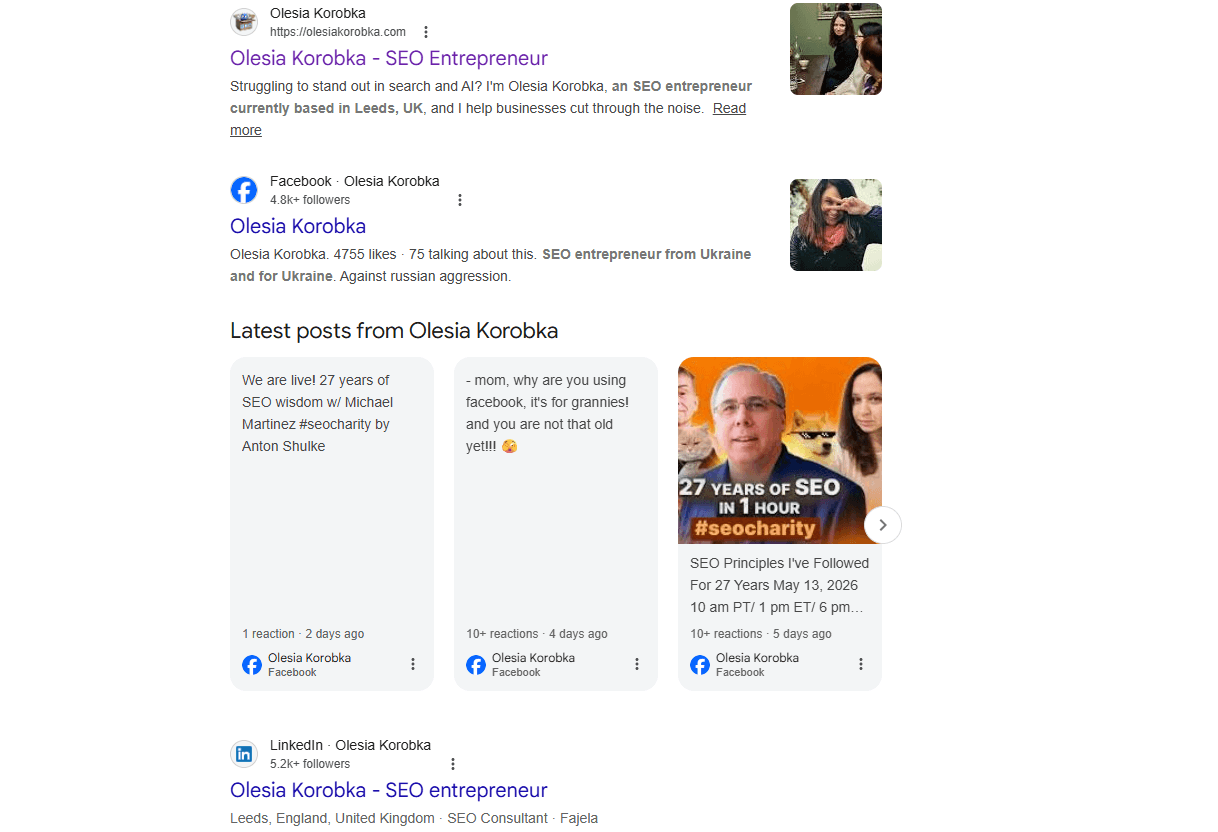
Your name exists on Google and AI right now. There are LinkedIn results, an old conference bio, maybe a mention in an article someone else wrote. None of it was written by you. None of it is fully accurate. And none of it is something you control.
A personal website changes that. It gives Google and AI a primary source to pull from instead of assembling a picture from whatever happens to rank. This is the core of what Fajela builds every personal website to achieve: one site that becomes the source of truth for your name.
2. Credibility and trust
When you interact with banks, investors, important people, influencers, or potential hires you really want on your team, most of them will Google you or ask AI about you. If there is no information at all, you do not look credible or trustworthy.
But no information is not actually the biggest problem.
A Fajela client had competitors who used cheap media to publish fake defamation articles about him. Those were the only results when his bank Googled him. In his case, the bank asked him directly. But many people will not ask. They will just quietly decide to ignore you.
And there is this bias: no smoke without fire.
Your personal website becomes the source of truth for your name. When Fajela builds one, that is the primary goal from the first line of copy to the last technical decision.
3. You control what people find
You want to shape how you are perceived and what message you send. Without a personal website, that narrative is assembled by whoever has published anything about you, right or wrong.
Fajela has seen plenty of examples of personal websites built once, with owners who are not hugely active, not giving interviews or posting constantly, and the site still works as the source of truth years later. Even if it is just one page.
4. You own it
Your personal website belongs to you, if it has been set up correctly. It will protect you if you lose access to other platforms. Facebook, Instagram, LinkedIn, TikTok, any of them. Even if you do not post on these platforms, you can lose access to your profiles. And you do not want bad actors impersonating you while you are not paying attention.
A personal website built by Fajela signals to search engines and AI which profiles are truly yours and which are not.
5. Google and AI can get you wrong
Google sometimes incorrectly maps you to someone else entirely. Cases range from AI confusing a business owner with a criminal who scammed people, to mapping an innocent person to a serial killer.
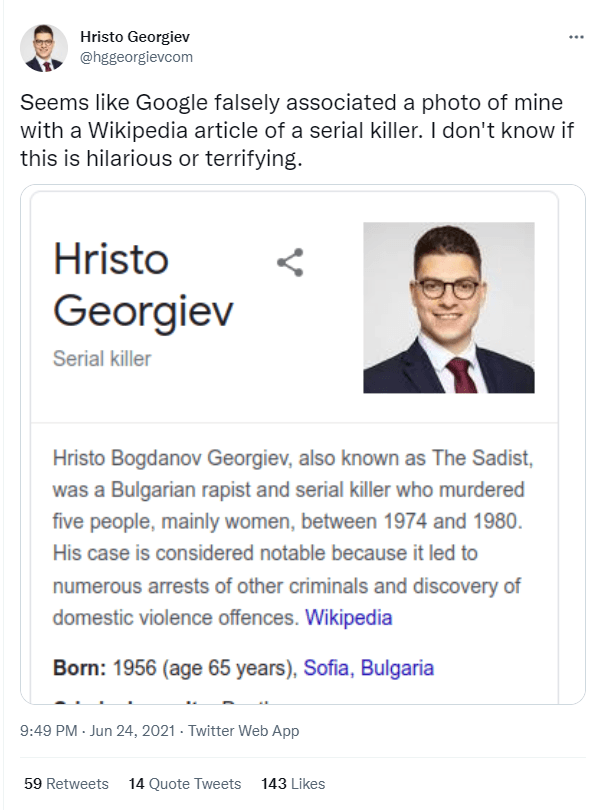
Fajela has spent 10 years studying how Google and AI determine who is credible and who they associate with what. A personal website, built the right way, is the most reliable way to either avoid these situations entirely or deal with them quickly when they happen.
6. Your expertise travels with you
If your credibility lives entirely on your company website, what happens when you sell, pivot, or move on? It stays behind.
A personal website travels with you. Your about page on your company website does not.
7. Media and speaking opportunities
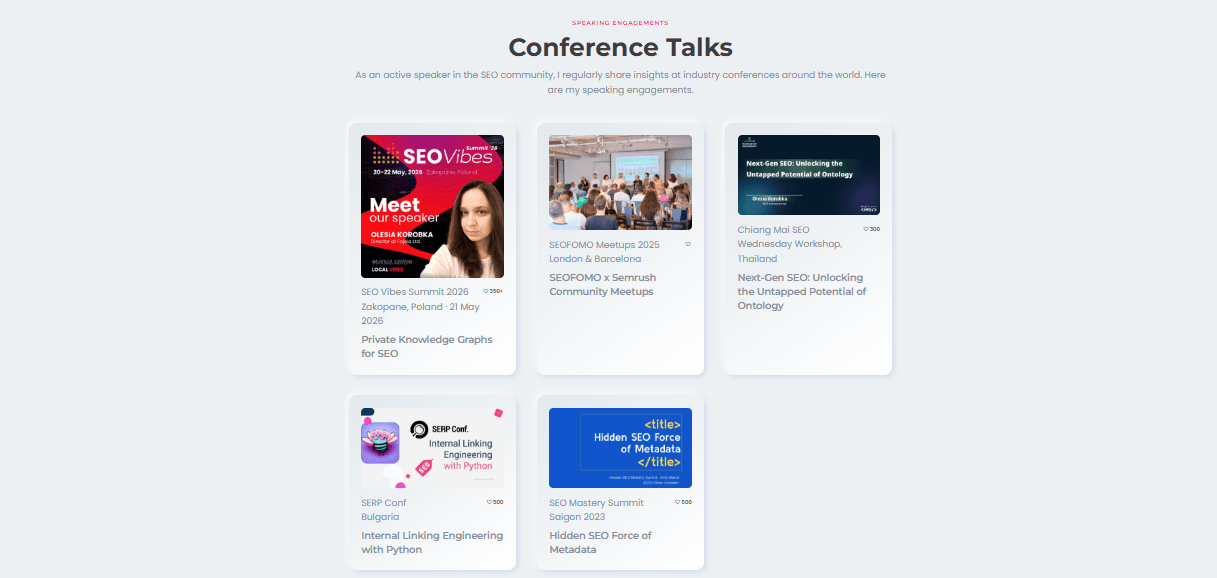
Journalists, podcast hosts, and event organisers look for a personal website before reaching out. It is often the difference between getting the invite and being passed over for someone who has one.
When you probably do not need a personal website
1. Maintenance overhead
There is certain maintenance involved even if you are not active. You need to control your domain and renew it. If you forget, your domain can be taken over by an iGaming affiliate who parasites on your name. If you are not checking your site regularly, someone can get in.
The maintenance problem is not about money. It is about execution. If you decide to handle it yourself and do not do it consistently, sooner or later you may run into trouble. Fajela handles this for every client it builds for.
2. If your company name is your personal name
A separate personal site may cause confusion. Not an ideal scenario, but it happens.
3. If your buyers genuinely do not care who you are
In some B2B businesses, nobody Googles the founder. No investors, no banking relationships, no public-facing business. In that case, it can probably wait.
4. If you need privacy
Some professionals operate in environments where personal visibility attracts the wrong kind of attention. That is a legitimate reason to stay quiet. Satoshi Nakamoto does not have a personal website and does not seem to be suffering because of it.
5. If you are heads-down building
The ROI on a personal website versus product work can feel low in early stages. Do it when you can. Just know it is not as quick as it seems. Done properly, it takes real work. But you can always put up a one-page placeholder in the meantime.
Fajela’s recommendation: if a full build is not the right move right now, put up a placeholder page. One page, your name, what you do, how to reach you. It holds your domain, your narrative, and your Google presence until you are ready.
Common objections
“I already have LinkedIn.”
LinkedIn is rented land. The algorithm controls your reach and the platform controls your account. A personal site and LinkedIn do different jobs. You need both. Fajela builds personal websites to work alongside your LinkedIn, not replace it.
“My company website covers it.”
Your company site is about the business. A personal site is about you. If you ever sell or leave, the company site stays behind. Your personal site goes with you.
“I do not have time to keep it updated.”
Three pages: about, work, contact. That is all you need. No blog, no weekly updates. Almost no maintenance once it is built correctly. Getting it built correctly is where Fajela comes in.
“Nobody searches for me personally.”
In professional settings, people look things up. A personal site means that when they do, what they find is accurate, credible, and yours.
“It feels self-promotional.”
It is not a brag. It is a professional address. It says who you are, what you have built, and how to reach you. That is professionalism, not ego.
So, do you need one?
If your name is something people might search. If you want to control what they find. If you plan to build authority, attract press, land speaking opportunities, or simply make sure the right version of you shows up when someone asks AI about you, then yes, you probably do.
The question is not really whether you need one. It is whether the one you end up with actually does the job. Most personal websites look fine and do nothing for the person they represent. Fajela builds the ones that become the source of truth Google and AI cite about you, and keep working years from now.
If you want a personal website built to become the source of truth for your name on Google and AI, see how Fajela builds personal websites.